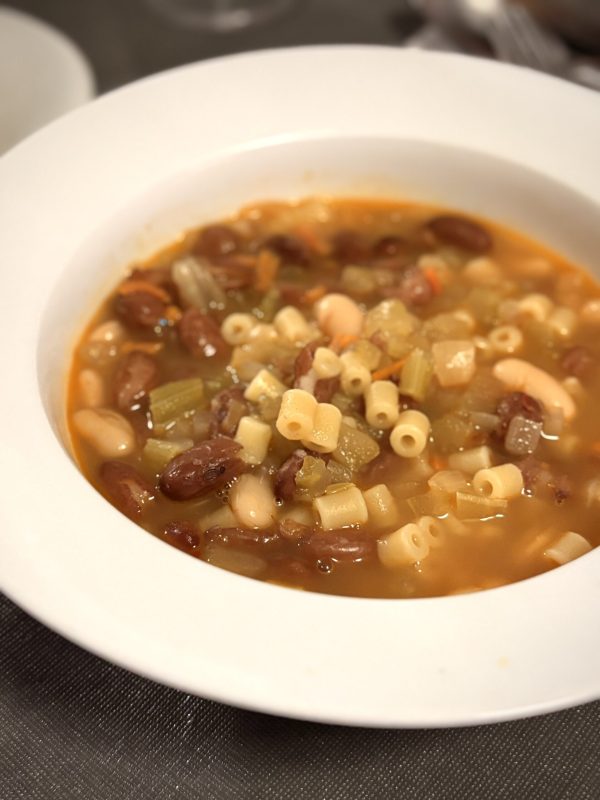
“When the stars make you drool just like a pasta fazool, That’s amore”. When it comes to the love of food, Dean Martin had it right with the staple of Italian cuisine. Nothing says love on a frigid day, quite like a heart bowl of pasta e fagioli.
It is a classic of the cucina povera whose roots are said to date back to ancient Rome where soups of legumes were prepared using the indigenous black-eyed pea. Although soups made from native grains and legumes have been consumed in Italy since the Middle Ages, the introduction of beans from the New World (cannellini and borlotti) made the dish popular due to its high nutritional and economic value. Their availability as a nutritious source of protein allowed for their widespread use in meals often dubbing them as the “meat of the poor”.
Other theories on the origins of the dish suggest that it was created by Italian sailors who would use the ingredients they had on hand while at sea, such as beans and pasta, to make a hearty and filling stew. Another theory is that the dish was created by Italian monks who would use the beans and pasta from their gardens to make a nutritious and satisfying meal. And, lastly, that it was born out of necessity, a staple for hardworking farmers and the poor who couldn’t afford meat, creating a nutritious, filling soup.
While the main components of the dish include beans and small pasta shapes, various versions exist across the peninsula. Every Italian region seems to have developed its own version, differing in pasta shapes (like maltagliati, ditalini or elbow macaroni), and beans (borlotti, cannellini or navy beans) added meats (pancetta, pork rind), or thickness (creamy vs. brothy).
In norther Italian regions, you’ll find creamier versions, sometimes blended to create a velvety consistency, and often enriched with pancetta or speck for added depth while southern versions tend to be more rustic and tomato-based, with a thinner broth and a heartier texture.
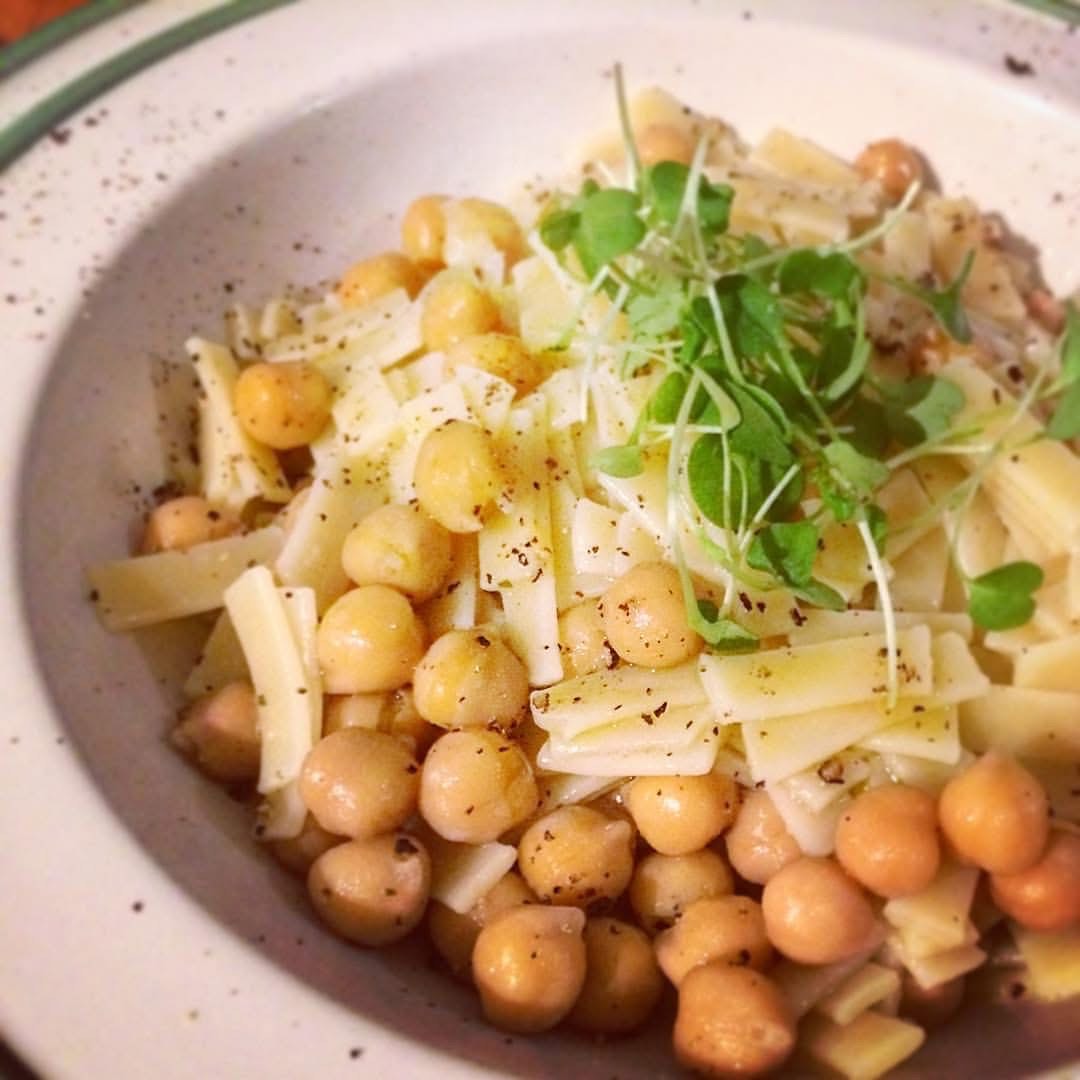
Some of the most common regional variations include: The azzeccata a creamy version from Campania where the pasta is cooked with beans, and sometimes includes the addition of mussels or pork rinds; sagne from Lazio where fresh short pasta is combined with cannellini beans and flavoured with sauteed garlic and rosemary; and the hearty, full-bodied version from Emilia-Romagna that features beans and dried chestnuts. Another variant on this comfort food is pasta e ceci where the beans are replaced with chickpeas.
No matter the bean or pasta shape, this comforting dish is the perfect way to take the chill off a wintery day, and, when served with crusty bread and a generous shaving of Parmigiano, this peasant dish is worth a king’s ransom to my body and soul. Buon Appetito!